The cost of noise
A well-designed drainage system should work quietly in the background. When the wrong system is selected, it becomes a constant source of disturbance. Noise from fast-moving water, pipe vibration, and loose connections can travel through walls and floors, affecting sleep, disrupting daily activities, and ultimately lowering property value.
Conventional materials have clear drawbacks. Cast iron is heavy and prone to corrosion over time, while standard PVC allows noise to pass through easily. Today’s drainage solutions must go beyond basic function—delivering acoustic comfort while also meeting requirements for fire safety, chemical resistance, and long-term durability.
Redefiining expectations
Modern buildings are evaluated on more than just functionality. Occupant wellbeing, comfort, and overall living experience are now key measures of quality. As a result, developers, architects, and installers increasingly prioritize solutions that limit unwanted noise and improve acoustic comfort.
At the same time, drainage systems must remain durable, easy to install, and environmentally responsible. Traditional materials struggle to meet all these expectations at once. The real challenge lies in achieving the right balance between performance, practicality, and sustainability.
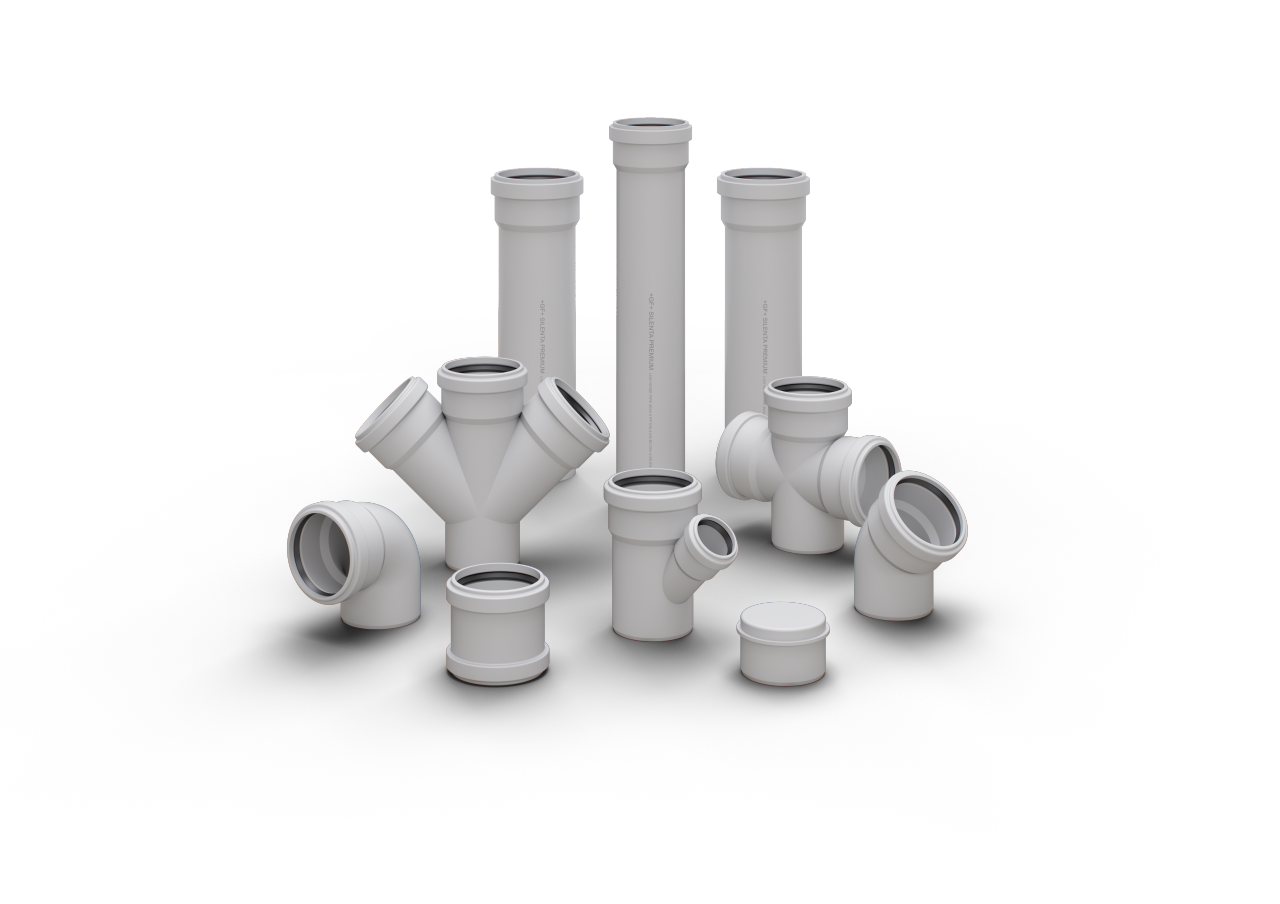
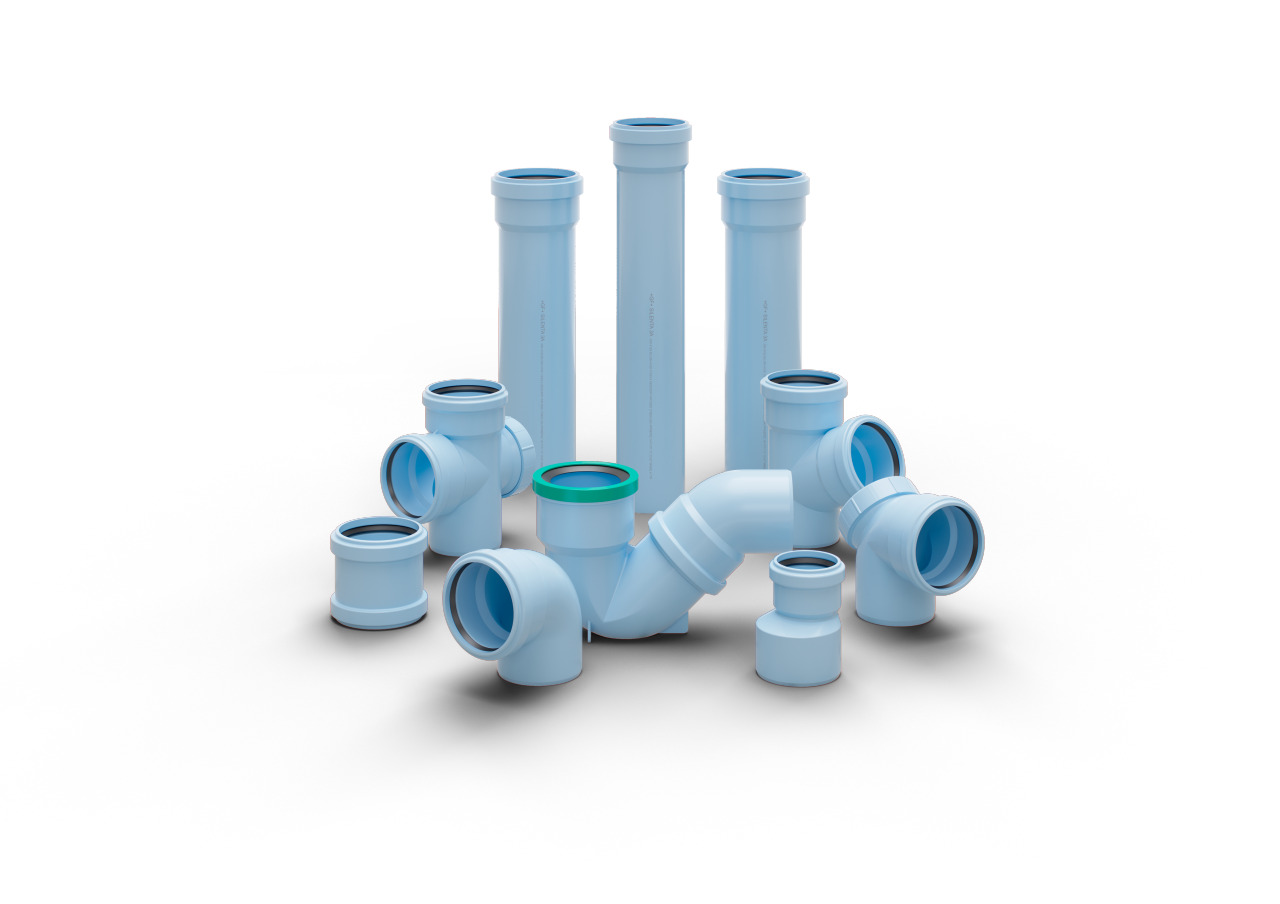
Silenta meets this challenge through advanced three-layer pipe technology designed for effective sound absorption and long-term reliability. Combined with fast push-fit installation and a comprehensive product range, Silenta provides the flexibility needed to suit a wide variety of projects.
Modern drainage systems must also address fire safety, chemical resistance, and service life. With growing urban density and stricter building regulations, acoustic performance has become a critical requirement across residential buildings, hotels, hospitals, and office developments.